By Captain Ishaq bin Siraj
Introduction
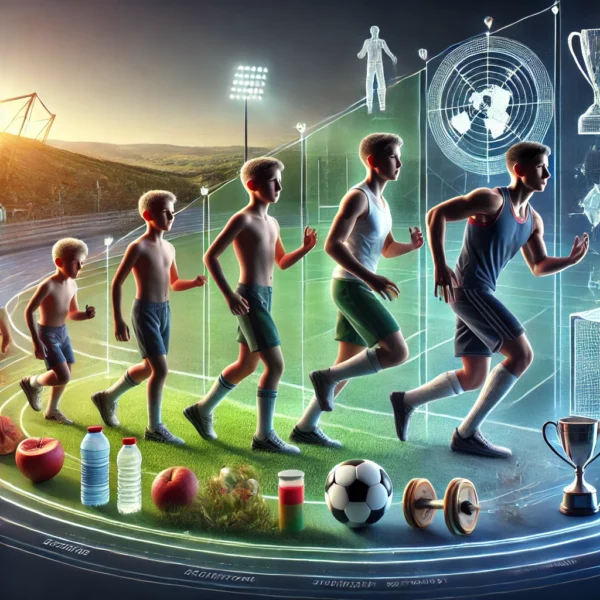
Developing a child into a professional athlete requires a comprehensive, long-term plan that begins at an early age and continues until full maturity. This program outlines the steps needed to build a strong athletic foundation—physically, mentally, and emotionally—while providing the ideal environment for growth and progress toward national and international professionalism.
In this article, we present all the essential stages and programs your child needs to become a professional athlete, with special focus on health care, nutrition, healthy sleep habits, and the importance of choosing the right coach.
1. Essential Steps to Develop Your Child Athletically
Ages 6 to 9: Building the Foundation
-
Basic Physical Training: Focus on activities that develop overall fitness, balance, and motor coordination such as swimming, running, and gymnastics.
-
Suitable Sports: A variety of sports—football, swimming, athletics, and gymnastics—help children discover their natural talents.
-
Supportive Environment: At this age, enjoyment and fun should come before competition.
Ages 10 to 12: Beginning Structured Training
-
Gradual Specialization: Start identifying the sport in which the child shows the most promise while maintaining variety in training.
-
Technical and Tactical Skills: Introduce fundamental techniques related to the chosen sport, such as ball control or basic gymnastics skills.
-
Ideal Environment: Effective communication between family and coaches ensures proper guidance and training.
Ages 13 to 15: Advanced Development
-
Advanced Training: Focus on strength, endurance, speed, and participation in local competitions for real match experience.
-
Psychological Development: Build confidence, discipline, and goal-setting skills. Celebrate small achievements to boost motivation.
-
Competitive Environment: Surround the child with experienced coaches and advanced sports facilities.
Ages 16 to 18: Transition to Professionalism
-
Elite-Level Training: Highly specialized training and participation in national and international competitions.
-
Nutritional & Psychological Support: Essential mental coaching and proper nutrition to maximize performance.
-
Professional Environment: Access to top-level coaches, advanced training camps, and exposure to international experiences.
2. Training Programs and Development Plans
Strength & Fitness Development
-
Basic Fitness: Running, strength training, endurance exercises, and overall conditioning.
-
Advanced Strength Training: From age 13 onwards, specialized workouts to enhance flexibility, muscle performance, and physical power.
Technical and Skill Development
-
Tactical Training: Understanding strategies, analyzing opponents, and improving decision-making in competitive scenarios.
-
Individual Skill Training: Personalized sessions for improving specific skills such as shooting techniques, swimming strokes, or ball control.
3. Comprehensive Health Care
Disease Prevention
-
Vaccinations & Regular Checkups: Essential to ensure the child has no underlying health issues.
-
Personal Hygiene: Teach the child proper hygiene to prevent infections and maintain overall health.
Healthy Nutrition
-
Balanced Diet: Includes fruits, vegetables, proteins, and healthy carbohydrates to support energy and recovery.
-
Hydration: Adequate water intake is crucial before, during, and after training.
-
Supplements: Can be added under professional guidance when necessary for muscle growth and endurance.
Healthy Sleep
-
Adequate Sleep: Children need 8–10 hours of sleep daily for physical growth and recovery.
-
Avoiding Late Nights: Staying up late reduces focus, increases the risk of injury, and negatively affects physical performance.
4. Advanced Care and Continuous Development
Psychological and Emotional Support
-
Relaxation and Rest: Allocate time for recovery, mental rest, fun trips, and recreational activities to reduce stress.
-
Sports Psychology: Consult a sports psychologist to help children cope with competitive pressure and maintain high motivation.
Sports Exploration & Exposure
-
Meeting Stars: Arranging meetings with professional players can inspire and motivate young athletes.
-
Travel & Competitions: Participation in local and international tournaments exposes the child to different sports cultures and broadens their experience.
5. Choosing the Right Coach
-
Experience & Competence: The coach must have expertise in training young athletes and guiding them toward their goals.
-
Personal Connection: A child must feel comfortable and confident with their coach to give their best performance.
-
Continuous Evaluation: The coach should regularly monitor progress and adjust training plans accordingly.
Conclusion
Developing your child into a professional athlete requires a balanced combination of physical training, proper nutrition, health care, psychological support, and a suitable training environment with the right coach.
By implementing this comprehensive program, your child can reach professional levels at both national and international stages and achieve outstanding athletic success.